
If you’re looking to achieve radiant, youthful skin, vitamin C serums have become the gold standard in skincare. But with countless options flooding the market, how do you choose the right one? This comprehensive guide will help you understand everything about vitamin C serums and how to incorporate them into your routine for maximum benefits.
What Is Vitamin C Serum?
Vitamin C serum is a skincare product formulated with a high concentration of vitamin C (ascorbic acid). This powerful antioxidant penetrates deep into the skin to protect against environmental damage, boost collagen production, and brighten your complexion. Unlike vitamin C from foods, topical application delivers the nutrient directly where your skin needs it most.

Science-Backed Benefits of Vitamin C Serums
1. Powerful Antioxidant Protection
Vitamin C neutralizes free radicals caused by UV exposure, pollution, and stress. This protection helps prevent premature aging and maintains your skin’s healthy appearance.
2. Brightens and Evens Skin Tone
Regular use of vitamin C serum can fade dark spots, hyperpigmentation, and post-inflammatory marks. It inhibits melanin production, giving you a more even, luminous complexion.
3. Boosts Collagen Production
Vitamin C is essential for collagen synthesis. By stimulating collagen production, it helps reduce fine lines, wrinkles, and improves skin firmness and elasticity.
4. Reduces Inflammation
The anti-inflammatory properties of vitamin C can help soothe irritated skin, reduce redness, and calm conditions like rosacea and acne.
5. Enhances Sun Protection
While not a replacement for sunscreen, vitamin C provides additional defense against UV damage when used alongside SPF products.

How to Choose the Right Vitamin C Serum
Check the Concentration
Look for serums with 10-20% vitamin C concentration. Beginners should start with 10-15%, while experienced users can opt for higher concentrations. Going above 20% doesn’t provide additional benefits and may cause irritation.
Identify the Right Form
Vitamin C comes in several forms:
- L-Ascorbic Acid: The most potent and researched form, but can be unstable and irritating for sensitive skin
- Magnesium Ascorbyl Phosphate (MAP): More stable, gentler, ideal for sensitive skin
- Ascorbyl Palmitate: Fat-soluble, less irritating but also less potent
- Sodium Ascorbyl Phosphate: Stable in water, gentle, good for acne-prone skin
- Tetrahexyldecyl Ascorbate: Oil-soluble, highly stable, penetrates deeply
Consider the pH Level
For L-ascorbic acid to be effective, the serum should have a pH between 2.5 and 3.5. This slightly acidic environment ensures optimal absorption, though it may tingle upon application.
Look for Complementary Ingredients
The best vitamin C serums include supporting ingredients:
- Vitamin E: Works synergistically with vitamin C for enhanced antioxidant protection
- Ferulic Acid: Stabilizes vitamin C and doubles its photoprotection
- Hyaluronic Acid: Provides hydration and plumps the skin
- Niacinamide: Brightens and strengthens skin barrier (though some formulations separate these)
Examine the Packaging
Vitamin C is notoriously unstable and degrades when exposed to light and air. Choose serums in:
- Dark amber or opaque bottles
- Airtight, pump dispensers
- Small bottles (to ensure freshness)
How to Use Vitamin C Serum for Best Results
Step 1: Cleanse Your Face
Start with a gentle cleanser to remove makeup, dirt, and oil. Pat your skin dry with a clean towel.
Step 2: Apply Toner (Optional)
If you use a toner, apply it before your serum to balance your skin’s pH and enhance absorption.
Step 3: Dispense the Serum
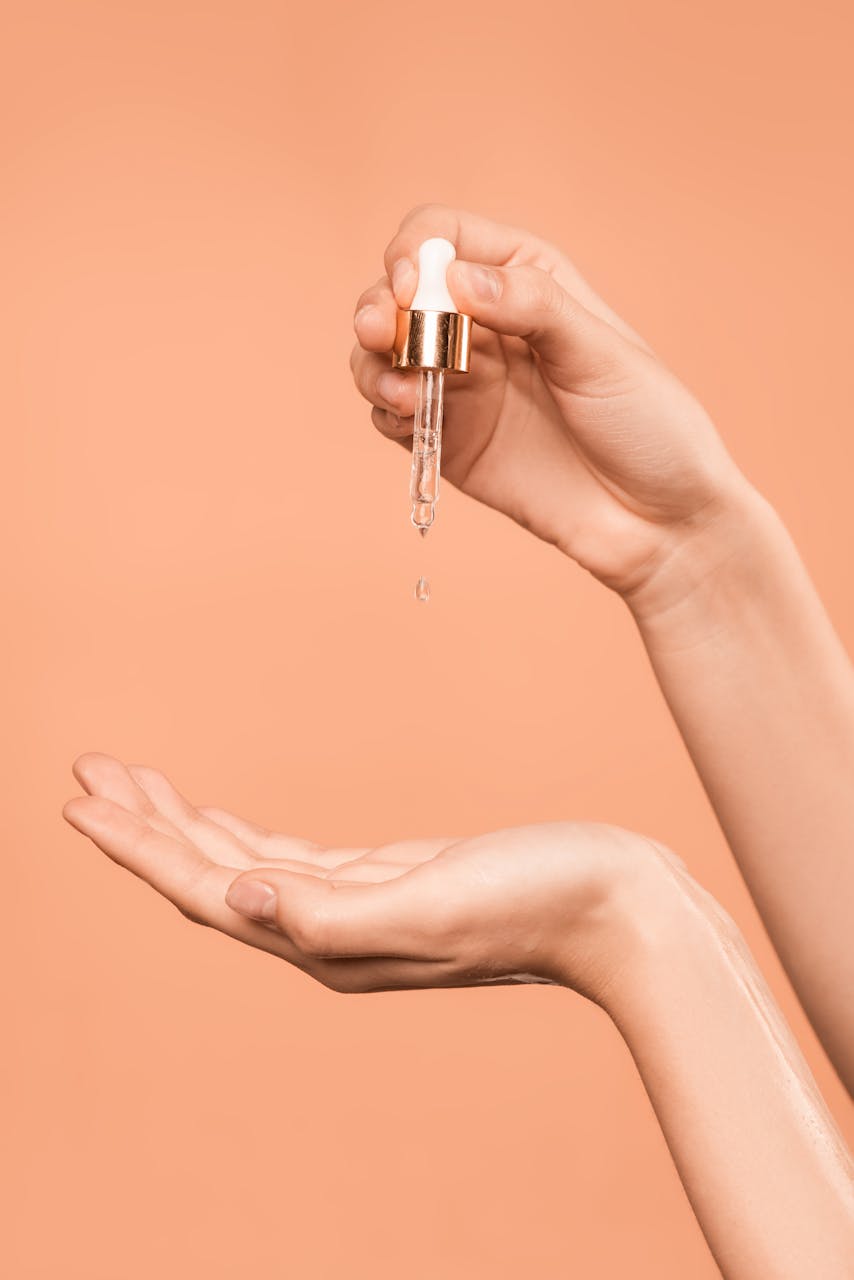
Use 3-4 drops of serum for your entire face. A little goes a long way!
Step 4: Apply Gently
Warm the serum between your fingertips and gently press it into your skin. Apply to your face, neck, and décolletage using upward motions. Avoid tugging or rubbing.

Step 5: Wait Before Moisturizing
Allow the serum to absorb for 1-2 minutes before applying your moisturizer.
Step 6: Follow with Moisturizer and SPF
Lock in the serum with your regular moisturizer. In the morning, always apply broad-spectrum SPF 30 or higher as your final step.
When to Apply: Morning or Night?
Morning application is ideal because vitamin C provides antioxidant protection against daytime environmental stressors. However, you can also use it at night for repair benefits. Some people apply it twice daily, but once daily is sufficient for most skin types.
Common Mistakes to Avoid
1. Using Oxidized Serum
If your serum turns dark brown or orange, it has oxidized and lost effectiveness. Fresh vitamin C serum should be clear or pale yellow.
2. Skipping Sunscreen
Vitamin C makes your skin more photosensitive. Always use SPF when incorporating it into your routine.
3. Combining with Incompatible Ingredients
Avoid using vitamin C with:
- Retinol/Retinoids: Can cause irritation; use at different times of day
- AHAs/BHAs: May destabilize vitamin C; separate by several hours
- Benzoyl Peroxide: Can oxidize vitamin C, reducing effectiveness
4. Expecting Instant Results
Vitamin C takes time. Expect to see brightening within 2-4 weeks, but significant anti-aging results may take 3-6 months of consistent use.
Storage Tips to Maintain Potency
- Store in a cool, dark place (refrigeration can extend shelf life)
- Keep the cap tightly closed when not in use
- Use within 3-6 months of opening
- Never expose to direct sunlight
- Check expiration dates and discard oxidized products
Who Should Use Vitamin C Serum?
Vitamin C serums are beneficial for virtually all skin types and ages:
- Aging Skin: Reduces fine lines and boosts collagen
- Dull Skin: Brightens and adds radiance
- Hyperpigmented Skin: Fades dark spots and evens tone
- Acne-Prone Skin: Reduces inflammation and post-acne marks
- Sensitive Skin: Choose gentler derivatives like MAP
If you have very sensitive skin, start with lower concentrations and patch test first.
Signs Your Vitamin C Serum Is Working
- Brighter, more radiant complexion
- Reduced appearance of dark spots
- More even skin tone
- Smoother texture
- Improved firmness over time
- Better skin resilience
Final Thoughts: Your Path to Glowing Skin
Vitamin C serum is one of the most effective, science-backed skincare investments you can make. By choosing the right formulation for your skin type, storing it properly, and using it consistently, you’ll unlock its full potential for radiant, healthy, youthful-looking skin.
Remember: skincare is personal. What works wonders for one person might not suit another. Start slow, pay attention to how your skin responds, and adjust accordingly. With patience and the right product, you’ll be glowing in no time!
Have you tried vitamin C serums? Share your experiences in the comments below!